
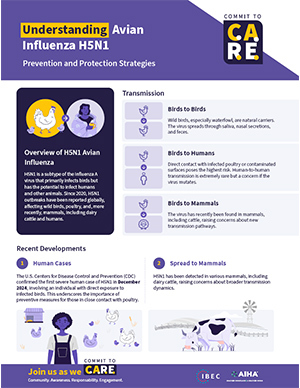
Understanding Avian Influenza H5N1
Download this guide to learn the key steps for protecting your workplace from H5N1 avian flu and reducing the risk of infection through practical biosecurity measures, hygiene protocols, and proper worker training.
Our Blog
Designing Safer Summers: How to Prevent Heat Stress and Protect Indoor Air Quality | July 31, 2025
July 31, 2025
As summer temperatures soar and air quality fluctuates, communities face a dual challenge: keeping people safe from extreme heat and ensuring the air they breathe indoors stays clean. These are not just comfort concerns, they’re critical public health issues.
Whether you’re managing a workplace, school, camp, or community space, understanding heat stress prevention and indoor air quality (IAQ) is key to creating healthier environments this season.
Here’s what you need to know, and what you can do to protect your people.
Why Heat Stress Is a Growing Threat
Extreme heat is more than uncomfortable, it’s dangerous. Heat stress occurs when the body cannot cool itself effectively, leading to symptoms ranging from dehydration to life-threatening heat stroke.
According to the CDC, heat-related illnesses kill more people in the U.S. than hurricanes, floods, and tornadoes combined . Vulnerable groups like children, older adults, outdoor workers, and those with chronic illnesses are at especially high risk.
But workplaces, camps, and schools are not immune. Even indoors, poor ventilation and high humidity can exacerbate the problem.
The Hidden Risk of Indoor Air Quality in Summer
When heatwaves and air quality alerts hit, people naturally retreat indoors. But this can create its own set of challenges:
Stale air and pollutants: Without proper ventilation, indoor spaces can trap heat, humidity, and airborne particles.
Infectious disease spread: Crowded indoor areas with poor airflow increase the risk of respiratory infections.
Energy-saving measures backfiring: Closing windows and reducing HVAC use to save energy may worsen indoor air quality.
A study by the EPA shows indoor air can be 2–5 times more polluted than outdoor air, especially during summer months when ventilation is limited.
5 Summer Safety Tips to Prevent Heat Stress and Improve Indoor Air
Whether you’re a camp leader, school administrator, or workplace manager, these practical actions can help protect your people:
1. Make Hydration a Priority
- Set up water stations in convenient locations.
- Encourage regular drinking, don’t wait for signs of thirst.
- Offer electrolyte drinks during extreme heat to replenish lost minerals.
2. Adjust Schedules for Cooler Hours
- Plan outdoor activities in the early morning or late afternoon.
- Avoid strenuous tasks during peak heat (10 AM – 4 PM).
- Create shaded areas for rest breaks.
3. Improve Indoor Air Circulation
- Keep HVAC systems well-maintained and change filters regularly.
- Use portable air purifiers with HEPA filters in high-traffic areas.
- Open windows when outdoor air quality allows to promote fresh airflow.
4. Reduce Indoor Crowding
- Stagger schedules to avoid overcrowding in lunchrooms or gyms.
- Monitor CO₂ levels in indoor spaces as a proxy for ventilation quality.
- Encourage mask use in poorly ventilated areas during disease outbreaks.
5. Educate and Empower Your Team
- Train staff to recognize early signs of heat stress: dizziness, heavy sweating, nausea.
- Share air quality apps and heat alert systems for real-time updates.
- Develop response plans for heat-related illnesses and poor air quality days.
Community-Wide Benefits of Heat Stress Prevention
Preventing heat stress isn’t just about individual health, it builds community resilience. Safer workplaces keep employees productive, schools protect students and staff, and camps maintain the wellbeing of children and counselors alike.
Clean indoor air also has lasting benefits: reduced absenteeism, fewer respiratory issues, and greater comfort for everyone.
Building a Safer Tomorrow Starts Today
Summer’s risks are complex, but with the right strategies, they’re manageable. By addressing both heat stress prevention and indoor air quality, your organization can create healthier spaces where people
can work, learn, and play safely, even in the hottest months.
How Summer Illnesses Can Disrupt Your Workplace (And How to Prevent It) | May 29, 2025
Summer is a time for vacations, travel, and a break from the everyday—but it’s also a season when infectious diseases can quietly follow people back to work. From the flu to norovirus and even more serious infections like dengue or hepatitis A, these summer illnesses don’t just affect individuals—they can disrupt entire teams.
As workplaces become more mobile and connected, a single employee returning from their vacation sick can unintentionally impact operations, productivity, and health outcomes for others. Here’s what you need to know—and do—to prevent the spread.
Why Summer Travel Increases Workplace Risk
When people travel, they encounter new environments, crowded spaces, and different disease exposures. Airports, cruise ships, hotels, and even family gatherings can be hotspots for transmission. Add warmer temperatures, which create ideal conditions for mosquito-borne illnesses like dengue, and you have a perfect recipe for workplace disruption.
Summer illnesses like influenza (yes, it circulates even in warm weather), norovirus, hepatitis A, and measles are all known to spike with increased travel. A few key exposures during vacation can lead to multiple days of illness and potential spread to coworkers.
The Cost of Ignoring It
If just one employee returns from a trip feeling “a little off” and powers through their workweek, the results can ripple:
- Entire teams may be exposed before symptoms even show.
- Others may need to quarantine or take sick leave.
- Projects can stall due to unexpected absences.
- Clients or customers could be affected if public-facing staff are involved.
Ignoring post-travel illness doesn’t just affect health—it affects operations and morale.
Consider Your Most Vulnerable Team Members
Some illnesses that may be mild for one person can be serious—or even life-threatening—for others. Summer infections pose increased risks to:
- Immunocompromised individuals
- Pregnant employees
- Older adults
- Workers with chronic conditions like asthma, diabetes, or heart disease
By building policies that protect everyone, workplaces demonstrate true care and responsibility.
Common Summer Illnesses to Watch For
Not all summer sickness is “just a cold.” Here are a few summer common diseases that can be brought into the workplace:
- Flu: Especially common on flights or in close-contact environments
- Norovirus: Highly contagious, spreads through food and surfaces
- Hepatitis A: Transmitted via contaminated food or water, common in some travel destinations
- Dengue: Spread by mosquitoes in tropical and subtropical regions
- Measles: Extremely contagious and preventable with vaccination
Symptoms to watch for: fever, rash, gastrointestinal distress, fatigue, cough, and sore throat.
Creating an Illness Prevention Plan for the Workplace
Having an illness prevention plan helps teams proactively manage risk before and after employee travel. A strong plan includes:
- Pre-travel reminders about vaccinations and hygiene.
- A checklist of post-travel symptoms to monitor.
- Clear communication channels to report feeling unwell.
- Supportive sick-leave policies that discourage presenteeism.
Encourage employees to take time off when needed—and return only when they’re no longer contagious.
What Your Workplace Sickness Policy Should Cover
A solid workplace sickness policy should go beyond general rules and include:
- Specific guidance for post-travel monitoring.
- When to stay home and when to return.
- Mask use during uncertain or symptomatic periods.
- Expectations for reporting symptoms after trips.
Setting expectations early empowers your team to make health-conscious decisions without fear or confusion.
The Bottom Line: Proactive Beats Reactive
Workplaces can’t control what happens during summer travel, but they can control how they respond. With clear policies, open communication, and a culture prioritizing health, your team can enjoy the season and stay productive.
Need help getting started? Download our Summer Travel Health Checklist or become a Commit to C.A.R.E. partner to access even more science-backed tools.
This article is part of Commit to C.A.R.E.’s Summer 2025 Campaign: Protecting Workplaces Through Awareness, Prevention, and Partnership.
Avian Flu H5N1 in 2025: A Growing Threat? | March 27, 2025

Why We’re Talking About Avian Flu Again
If you’ve been following public health news lately, you may have noticed avian influenza (H5N1) making headlines again. And if you haven’t, it’s time to pay attention.
H5N1 is no stranger to scientists and health officials. First detected in birds decades ago, it has sporadically jumped to humans, causing concern but never quite making the leap to widespread human transmission.
So why is everyone suddenly worried in 2025?
- A new wave of outbreaks is affecting mammals, including cattle.
- The first severe human case in the U.S. was confirmed in late 2024.
- Egg and poultry prices are skyrocketing due to mass culling efforts.
This isn’t just a farm issue or a public health concern—it’s something businesses, policymakers, and even everyday consumers need to pay attention to.
The Current H5N1 Situation: What’s Different This Time?
Avian flu outbreaks happen yearly, but H5N1 is showing unusual behavior this time.
1️⃣ The Spread to Mammals
H5N1 has traditionally been confined to birds, but recent reports confirm infections in dairy cattle and other mammals. This raises an alarming question: Is the virus evolving to spread more easily between species?
2️⃣ Human Cases are Becoming More Severe
In December 2024, the CDC confirmed the first severe human case of H5N1 in the U.S. Unlike previous cases that caused mild symptoms, this one resulted in serious illness, proving the virus is still capable of posing a direct risk to human health.
3️⃣ Economic Disruptions
The poultry industry is taking a financial hit, with mass culling of birds leading to rising egg and meat prices. The U.S. Department of Justice is even investigating whether major egg producers are manipulating prices in response to the outbreak.
👉 The big question: Will H5N1 remain a localized agricultural problem, or are we looking at the next potential pandemic threat?
How to Stay Protected: Practical Steps for Businesses and Individuals
Unlike COVID-19, which spread rapidly among humans, H5N1 is still mostly confined to animals. But that doesn’t mean we should ignore it. Here’s what you can do:
For Individuals:
🔹 Avoid Sick or Dead Birds – If you work with poultry or live near affected areas, wear gloves and a mask when handling birds.
🔹 Cook Poultry & Eggs Properly – The virus doesn’t survive high temperatures, so fully cooked food is safe.
🔹 Pay Attention to Symptoms – If you have flu-like symptoms after exposure to birds, seek medical attention.
🔹 Stay Informed – Follow health updates from the CDC and WHO on H5N1 outbreaks.
For Businesses & Poultry Farms:
✅ Upgrade Biosecurity – Limit farm access, disinfect equipment, and keep wild birds away from domesticated flocks.
✅ Monitor Animal Health – Watch for unusual deaths in birds or livestock and report immediately.
✅ Consider Vaccination Programs – Some countries are already vaccinating poultry against H5N1.
✅ Plan for Outbreak Scenarios – Have crisis response plans in place to protect workers and mitigate losses.
What Comes Next?
Scientists and policymakers are closely monitoring the situation to see if H5N1 continues mutating or if vaccination efforts can keep it under control. The more we learn now, the better prepared we’ll be for the future.
Stop The Spread: H5N1 Avian Flu Prevention Guide
Download this guide to learn the key steps for protecting your workplace from H5N1 avian flu and reducing the risk of infection through practical biosecurity measures, hygiene protocols, and proper worker training.
The Quaddemic is Here: What It Means and How to Stay Safe | February 18, 2025
Understanding the “Quaddemic”
The term Quaddemic refers to the simultaneous spread of four major viruses: COVID-19, influenza (flu), respiratory syncytial virus (RSV), and norovirus. Each of these viruses poses unique risks, and together, they create a challenging season for both public health and workplaces.
With infections rising, it’s crucial to understand how these viruses spread, how they impact individuals, and what actions you can take to protect yourself and your community.
The Four Viruses at a Glance
COVID-19
- Symptoms: Fever, cough, shortness of breath, fatigue, loss of taste/smell.
- How It Spreads: Airborne transmission via respiratory droplets and close contact.
- Prevention: Vaccination, wearing masks in crowded places, proper ventilation, hand hygiene.
Influenza (Flu)
- Symptoms: Fever, chills, muscle aches, cough, sore throat, fatigue.
- How It Spreads: Airborne droplets and contaminated surfaces.
- Prevention: Annual flu vaccination, handwashing, avoiding close contact with sick individuals.
RSV (Respiratory Syncytial Virus)
- Symptoms: Coughing, wheezing, difficulty breathing, congestion, fever.
- How It Spreads: Respiratory droplets, direct contact with contaminated surfaces.
- Prevention: Handwashing, covering coughs, limiting exposure for high-risk individuals (infants, elderly).
Norovirus
- Symptoms: Nausea, vomiting, diarrhea, stomach pain.
- How It Spreads: Contaminated food, water, and surfaces.
- Prevention: Proper hand hygiene (soap and water), disinfecting surfaces, safe food handling.
How to Protect Yourself During the Quaddemic
🛡 Get Vaccinated – Vaccines for COVID-19, flu, and RSV can help reduce the risk of severe illness and hospitalization. Stay up to date on your recommended shots.
🧼 Practice Good Hygiene – Wash your hands frequently with soap and water for at least 20 seconds, especially before eating or touching your face.
😷 Wear a Mask in High-Risk Settings – In crowded indoor spaces, wearing a high-quality mask (such as an N95) can reduce your exposure to airborne viruses.
💨 Improve Indoor Air Quality – Use ventilation strategies like opening windows, using air purifiers, or upgrading HVAC systems to reduce airborne transmission.
🏡 Stay Home When Sick – If you develop symptoms, rest, hydrate, and isolate to prevent spreading illness to others. Seek medical attention if symptoms become severe.
🔬 Know When to Get Tested – If you have symptoms of COVID-19 or flu, testing can help guide treatment and prevent further transmission.
Why Workplace and Community Safety Matters
The spread of these four viruses doesn’t just impact individual health—it also affects workplaces, schools, and essential services. Employers and community leaders must take proactive steps to minimize outbreaks, including:
✔ Encouraging vaccinations for employees and members.
✔ Enhancing cleaning and disinfection protocols.
✔ Implementing remote work and sick leave policies where possible.
✔ Promoting public health education to combat misinformation.
The Quaddemic presents a real challenge, but with awareness, prevention, and community action, we can reduce its impact. By staying informed and taking the right precautions, we can protect ourselves, our loved ones, and our communities from these circulating viruses.
Protect your workplace from the Quaddemic!
This guide outlines 5 key steps to reduce the spread of infectious diseases and create a safer work environment for everyone.
The Science Behind Surface Cleaning and Disinfection: Practical Tips for 2025 | January 15, 2025
This blog post is inspired by insights from the AIHA’s Indoor Environmental Quality Committee. Their expertise has guided the practical tips and science-based strategies shared here to help workplaces and communities create safer environments. Learn more about their work at AIHA’s Indoor Environmental Quality Committee.
Maria is an office manager who starts every morning by wiping down desks, door handles, and shared keyboards. For her, it’s a small, routine task. But over time, Maria notices something remarkable: fewer coworkers are calling in sick, parents on her team aren’t worried about bringing home germs to their kids, and the office feels healthier overall.
Maria’s story shows the power of surface disinfection—not just as a cleaning task but as a way to protect lives.
For 2025, Commit to C.A.R.E. is here to help you create safer, healthier spaces with practical disinfection habits rooted in science. Let’s break it down.
What Is Surface Disinfection, and Why Should You C.A.R.E?
Every surface has a story. High-touch surfaces such as doorknobs, desks, and phones may look clean, but invisible germs like viruses and bacteria can linger for hours or even days. These surfaces, called fomites, can be hotspots for disease transmission.
Let’s explore the journey of an infectious germ:
- A person sneezes into their hand and grabs a doorknob.
- The germs transfer to the doorknob.
- Hours later, someone else touches the same doorknob and then their face.
And just like that, an illness can spread.
Routine cleaning and surface disinfection are steps that can help prevent this chain of transmission. It’s not just about appearances—it’s about protecting the health of everyone in your space.
How to Properly Disinfect Surfaces
Effective cleaning and disinfection isn’t complicated, but it does require the right approach to be effective and to protect yourself. Here’s a step-by-step guide:
- Start with Cleaning:
- Use soap and water or a general-purpose cleaner to remove dirt, dust, and debris. This step is critical because disinfectants are less effective on dirty surfaces. Follow the instructions on the label to understand there can be hazards when using cleaning and disinfection products. Consider the best time to clean and disinfect; some people can be sensitive to cleaning and disinfecting products.
- Apply the Disinfectant:
- Choose an EPA-approved disinfectant appropriate for your setting, and always follow the label instructions. Remember to wear any necessary protective equipment, such as gloves, to ensure safe handling of cleaning and disinfection products.
- Apply the product according to the label instructions, ensuring proper application for effective disinfection.
- Applying liquid products to a rag first (rather than spraying onto a surface) can reduce the amount of product getting into the air; some cleaning and disinfecting products are strong irritants.
- Follow Dwell (contact time) Time:
- Let the disinfectant sit on the surface for the time specified on the label (usually 2–10 minutes). This step helps to ensure germs are effectively killed.
- The surface must stay wet for the entire dwell time.
- Wipe or Air Dry:
- After the dwell time, wipe the surface with a clean cloth or let it air dry, depending on the product instructions.
- Wash Your Hands:
- Once you’re done, remove your gloves if used and wash your hands thoroughly to avoid spreading germs further.
What Surfaces Are You Forgetting?
Many surfaces are obvious, like desks, doorknobs, and light switches. But others often get overlooked. Have you thought about these?
- Chair arms and backs.
- Drawer and cabinet handles.
- Rails in stairwells
- Elevator buttons.
- Shared electronics like keyboards, phones, and remote controls.
These and many other areas are touched countless times a day, yet they can be easy to miss during cleaning routines unless there are procedures that list and describe where and how to clean and disinfect.
Actionable Tip: Create a checklist of all high-touch surfaces in your space. Walk through the area with your team to identify anything you might have missed.
The Hidden Hero of Disinfection: Dwell (or Contact) Time
One of the most overlooked parts of effective disinfection is dwell time—the amount of time a disinfectant must stay wet on a surface to kill germs.
How to Get Dwell Time Right:
- Read the Label: Every disinfectant specifies how long it needs to stay wet.
- Apply Generously: Use enough disinfectant to keep the surface visibly wet for the required time. But be careful! Using too much can result in vapors being emitted into the air which can affect you or others in the area.
- Be Patient: Resist the urge to wipe it dry too soon.
Did You Know? Germs like norovirus and SARS CoV-2 (causes COVID-19 disease) can survive on some hard surfaces for days if not properly disinfected.
Building Good Habits in 2025
Consistency is the foundation of effective disinfection. Here’s how to make it part of your routine:
- Set a Schedule: Decide how often high-touch areas need to be cleaned/disinfected based on how frequently they’re used.
- Train Your Team: Teach everyone how to clean and disinfect safely and properly, emphasizing the difference between cleaning and disinfecting but especially on safe use of the products and using appropriate personal protective equipment when necessary according to training and label instructions.
- Stock the Right Supplies: Ensure you have EPA-approved disinfectants, proper cleaning tools, and protective equipment (appropriate clothing, nitrile or latex gloves, and eye protection if needed).
- Evaluate and Improve: Periodically review your cleaning and disinfection routines and make adjustments as needed.
The Bigger Picture: Protecting Your Community
When high touch surfaces are cleaned and disinfected regularly, that practice can have a ripple effect (for good!). By reducing germs in your workplace, you’re not just protecting your team—you’re also helping their families, schools, and communities stay healthy because workplace health and safety is a part of public health.
Take the Next Step: Partner with Commit to C.A.R.E.
Maria’s daily habit started small but grew into a healthier workplace for everyone. You can do the same by committing to consistent, science-based disinfection practices.
Safe Holiday Gatherings: Lessons Learned from 2024 Outbreaks | December 17, 2024

As we welcome 2025, the memories of the past year’s significant infectious disease outbreaks are potent reminders of the importance of vigilance, preparation, and proactive prevention. From H5N1 avian influenza to the expansion of the Oropouche virus, these events highlight key lessons that can guide us in creating safer holiday gatherings and healthier communities.
Surveillance and Early Detection Are Crucial
The spread of the Oropouche virus beyond its endemic Amazon region and detecting a mutated H5N1 strain in Canada demonstrated the importance of robust surveillance systems. Early identification allows for timely interventions, minimizing the spread and impact of infectious diseases.
Takeaway for Holiday Gatherings:
Be aware of local health updates and emerging threats. If you’re hosting, consider health checks or symptom screening for attendees to reduce the risk of illness spreading.
Preparedness Saves Lives
From the UK’s stockpiling of bird flu vaccines to Rwanda’s rapid response to a Marburg virus outbreak, 2024 showed us that preparation is essential. Having resources in place before an outbreak can make all the difference.
Takeaway for Holiday Gatherings:
Equip your gatherings with essentials like masks, hand sanitizers, and good ventilation—plan for smaller, more controlled events to reduce risk, especially in high-transmission areas.
Vector Control Matters
The Oropouche virus highlighted the role of vectors like mosquitoes in disease transmission. Proper environmental management is key to reducing these risks.
Takeaway for Holiday Gatherings:
For outdoor celebrations, ensure areas are free of standing water and consider insect repellents to protect guests. Indoors, focus on air circulation and maintaining clean environments.
Clear Communication Builds Trust
The mpox outbreak in the Democratic Republic of Congo underscored the need for clear public health messaging to ensure community adherence to safety measures.
Takeaway for Holiday Gatherings:
Be upfront with guests about safety expectations. Respectfully and inclusively communicate health guidelines, such as staying home if feeling unwell.
Vaccination Remains Vital
Measles and whooping cough outbreaks reminded us that vaccination is a cornerstone of public health. High immunization rates protect communities from preventable diseases.
Takeaway for Holiday Gatherings:
Encourage vaccinations where appropriate, such as flu shots, and provide information on how guests can protect themselves and others during the season.
Collaboration Is Key
Global efforts to manage the Marburg virus outbreak highlighted the importance of international cooperation and resource sharing in controlling disease threats.
Takeaway for Holiday Gatherings:
Collaborate with family and community members to share resources, plan safe gatherings, and stay informed about local health guidelines.
Looking Ahead: Making 2025 Safer for All
By integrating the lessons of 2024 into our daily lives, we can protect our loved ones and communities. As you plan your holiday gatherings, remember that simple precautions can make a big difference.
Together, we can ensure a year of health, safety, and meaningful connections.
Oropouche Virus: A Growing Threat in the Americas | November 26, 2024

By Kenneth F. Martinez (CAPT USPHS Ret). President and Founding Board Member of The Integrated Bioscience and Built Environment Consortium (IBEC)
As diseases once considered distant threats become increasingly prevalent in the Americas, the Oropouche virus (OROV) has emerged as a growing concern. The Pan American Health Organization (PAHO) has issued an epidemiological alert, urging countries to strengthen surveillance and laboratory diagnosis for this zoonotic disease. The spread of the Oropouche virus has highlighted the critical need for preventive measures and awareness.
The Role of Climate Change in Vector-Borne Diseases
Climate change alters the distribution and abundance of vector-borne diseases like Lyme disease and West Nile virus. Because of warmer weather and shorter winters, the favorable climate for the ticks and mosquitoes that carry these diseases is shifting in geographic location: areas that were not previously suitable for them now are.
Tick-borne diseases make up about 80 percent of reported vector-borne diseases in the U.S. and have increased over the last 20 years. Ticks are spreading to new areas, and their seasonal activity is expanding, prolonging their exposure to humans. Similarly, climate change is impacting mosquito populations, which carry diseases like West Nile virus, dengue, Zika, and chikungunya.
The Pan American Health Organization (PAHO) recently issued an epidemiological alert regarding the Oropouche virus. Historically, OROV infections were considered mild, but the recent geographic spread and detection of more severe cases have raised concerns. PAHO has called for enhanced surveillance and the implementation of laboratory diagnostic tools to understand the virus’s evolving behavior and its potential public health impacts.
Understanding the Oropouche Virus
The Centers for Disease Control and Prevention (CDC) followed PAHO’s alert with a Health Alert Network (HAN) Advisory, notifying clinicians and public health authorities of increased Oropouche virus cases in the Americas.
As of August 1st, 8,000 cases had been reported, primarily in South America. However, infections are also spreading to countries where OROV has not been previously detected. Dozens of travel-related cases have been reported in the United States and Europe. In the U.S., 94 travel-associated cases have been documented, with 90 occurring in Florida. Importantly, no local transmission has been detected in the U.S. so far.
Transmission occurs in forested areas between mosquitoes and non-human vertebrate hosts, such as sloths, non-human primates, and rodents. Humans can become infected while visiting these areas and are often responsible for introducing the virus into urban environments. In urban settings, infected humans develop sufficient viremia to serve as amplifying hosts, with transmission primarily occurring through biting midges (Culicoides paraensis) and potentially certain mosquitoes (Culex quinquefasciatus).
Preventive Measures and Recommendations
PAHO and the CDC emphasize the importance of preventive measures to reduce the spread of zoonotic diseases like Oropouche virus:
- Use insect repellents approved by regulatory authorities.
- Wear protective clothing covering arms and legs.
- Install fine mesh mosquito nets for sleeping areas.
- Conduct testing for travelers returning from impacted areas who exhibit symptoms consistent with Oropouche virus symptoms.
Most individuals recover in five to seven days, but severe cases with aseptic meningitis and rare fatalities have been reported. Complete recovery can take several weeks in some instances.
However, there has also been an increased awareness of the possible risk of vertical transmission (e.g., from gestational parent to fetus during pregnancy) and associated adverse effects on pregnancy. The CDC states that this “type of spread has been associated with poor pregnancy outcomes such as fetal deaths, stillbirths, and birth defects. The risk of an infected pregnant person passing the virus to their fetus is not currently known.”
This highlights the importance of prevention measures to mitigate the additional spread of the virus and its potential importation into unaffected areas, including the United States.
Healthcare providers are encouraged to follow the CDC’s Health Alert Network Advisory for guidance on evaluating and testing symptomatic individuals.
The Bigger Picture: Preventing Zoonotic Diseases
The rise of diseases like the Oropouche virus reflects a broader trend of increasing zoonotic disease threats. Climate change, urbanization, and global travel have created conditions conducive to the emergence and spread of such diseases. Proactive measures, community education, and increased surveillance are essential to limiting their impact.
For more on related topics, explore our resources:
Shoutout to Kenneth F. Martinez
We are honored to share this piece of thought leadership by Kenneth F. Martinez (CAPT USPHS Ret), President of IBEC. Ken’s extensive experience with the CDC and his expertise in biological agents, infectious diseases, and bioterrorism agents provide invaluable insight into the challenges posed by vector-borne diseases and climate change.
3https://emergency.cdc.gov/han/2024/han00515.asp
4https://www.yahoo.com/news/oropouche-virus-emerging-threat-raising-194229908.html?guccounter=1
5https://www.cdc.gov/oropouche/data-maps/current-year-data.html
The Difference Between Cleaning, Sanitizing, and Disinfecting: How to Stay Healthy This Flu Season | November 26, 2024
This article was produced by the Household & Commercial Products Association (HCPA), a proud Commit to C.A.R.E. partner.
As flu season approaches and COVID-19 remains a concern, understanding the difference between cleaning, sanitizing, and disinfecting is essential. The proper use of cleaning products, disinfectants, and sanitizers is crucial for maintaining healthy environments at home, work, and in public spaces like hospitals, restaurants, and schools. Safety is the top priority in the household and commercial products industry, and consumers can trust these products when used responsibly and according to label directions.
The Role of Disinfectants and Sanitizers During Public Health Events
During events like the COVID-19 pandemic, the demand for disinfectants and sanitizers soared. These products, classified as antimicrobial pesticides, are rigorously tested to meet standards set by the Environmental Protection Agency’s (EPA) Federal Insecticide, Fungicide, and Rodenticide Act (FIFRA).
When used correctly, sanitizers and disinfectants can effectively kill bacteria and viruses. To make an informed choice, refer to public health guidelines from the Centers for Disease Control and Prevention (CDC), EPA, and state and local health departments. Helpful resources include:
- EPA’s Cleaning and Disinfecting Best Practices During COVID-19
- CDC’s When and How to Clean and Disinfect Your Home
- 6 Steps for Safe and Effective Disinfectant Use
Deciding When to Clean, Sanitize, or Disinfect
Ask yourself what you want to achieve:
- Do you need to remove dirt from a surface like a kitchen countertop or bathroom sink?
- Do you need to kill bacteria for a lasting effect?
- Are you working in a high-traffic area or specialized setting, such as healthcare?
Below, the table summarizes the purpose of each action, clarifying when to clean, sanitize, or disinfect.
| Action | What It Does | Registered By |
| Cleaning | Removes dirt and organic matter from surfaces using soap or detergents. | Consumer Product Safety Commission (CPSC) |
| Sanitizing | Kills bacteria on surfaces but isn’t intended to kill viruses. | U.S. Environmental Protection Agency (EPA) |
| Disinfecting | Kills viruses and bacteria on surfaces, essential for high-contact areas. | U.S. Environmental Protection Agency (EPA) |
| Hand sanitizing | Effective against bacteria or viruses on skin. | U.S. Food and Drug Administration (FDA) |
Understanding EPA Regulations for Cleaning Products
Certain pathogens are more challenging to eliminate than others. Emerging pathogens, such as new viruses, can pose higher risks as they linger on surfaces longer and contribute to disease transmission. For this reason, the EPA introduced the Emerging Viral Pathogens Policy, allowing certain disinfectants to claim efficacy against pathogens not specifically listed on product labels.
However, with so many product choices and conflicting online information, making informed decisions can be challenging. The EPA’s List of Active Cases Triggering the Emerging Viral Pathogens Policy is a valuable resource, providing an up-to-date list of disinfectants effective against specific types of pathogens. This resource offers guidance on effective products for flu season and beyond.
How to Use Cleaning Products Safely
- Read the Label: Always start by reading the product’s label, paying attention to proper use, application methods, safety precautions, and correct disposal.
- Contact Time: Allow surfaces to remain wet for the recommended time to achieve full efficacy.
- Avoid Overuse: Overuse of disinfectants can cause health risks and damage surfaces.
- Look for the EPA Registration Number: This ensures the product meets EPA safety and effectiveness standards for disinfectants and sanitizers.
We thank the Household & Commercial Products Association (HCPA), a Commit to C.A.R.E. partner, for providing this valuable content. As the premier trade association representing companies that manufacture, formulate, distribute, and sell more than $180 billion annually in trusted and familiar products across the U.S., HCPA plays a vital role in promoting cleaner, healthier environments.
Lastly, if you want to stay safe during flu season, read our Winter Health Guide: How Indoor Air Quality Can Protect You from Illness. Remember, the best way to stay healthy during flu season is to properly clean, sanitize, or disinfect high-contact areas and be mindful of indoor air quality.
Winter Health Guide: How Indoor Air Quality Can Protect You from Illness | November 13, 2024
We naturally retreat indoors as the cold winter months approach to seek warmth and comfort. However, with this shift comes an increased risk of exposure to airborne infectious diseases, including COVID-19, influenza, and respiratory syncytial virus (RSV). These viruses thrive in enclosed, poorly ventilated environments, making indoor air quality (IAQ) a crucial factor in safeguarding our health.
We often focus on personal hygiene and vaccinations to prevent illness, but many overlook how the air we breathe affects disease transmission. By understanding the connection between IAQ and respiratory health and improving the air quality in our homes, workplaces, and schools, we can drastically reduce the spread of illnesses this winter.
Why Is Indoor Air Quality Important for Your Health?
Airborne diseases spread primarily through particles or droplets that travel through the air. These infectious particles can linger in poorly ventilated spaces, increasing the risk of person-to-person transmission. Indoor air quality impacts the likelihood of disease spread and overall health and productivity.
Research has consistently shown that environments with inadequate ventilation and filtration contribute to higher sickness rates. Stale indoor air allows viruses and bacteria to thrive, especially during cold months when doors and windows stay closed for extended periods. Conversely, environments with improved air quality experience reduced transmission rates, leading to fewer sick days and healthier, more productive individuals.
What Are the Risks This Winter?
According to the Centers for Disease Control and Prevention (CDC), this winter may bring similar or even fewer hospitalizations from respiratory infections than previous years. However, experts warn that uncertainty remains. Vaccine effectiveness, viral mutations, and how well public health recommendations are followed will significantly determine the season’s severity. For these reasons, preparing now is essential, and indoor air quality should be a top priority in our preventive measures.
How Poor IAQ Affects Your Health
Beyond increasing the risk of infection, poor indoor air quality can lead to other health problems, such as:
- Allergies and respiratory issues: Dust, pollen, and other allergens build up in poorly ventilated spaces, exacerbating symptoms for those with asthma or allergies.
- Fatigue and productivity loss: Stagnant or contaminated indoor air can lead to headaches, fatigue, and difficulty concentrating, commonly referred to as “sick building syndrome.”
- Long-term health risks: Over time, exposure to indoor pollutants like mold, volatile organic compounds (VOCs), and other contaminants can lead to more serious health issues such as chronic respiratory diseases.
Given these risks, improving the air quality we breathe is more than just a short-term solution for reducing infections—it is essential for long-term health and well-being.
How Can You Improve Indoor Air Quality?
Improving indoor air quality doesn’t have to be complicated. Here are some effective strategies to reduce the risk of airborne infections this winter:
- Increase Fresh Air Intake
One of the most straightforward ways to improve IAQ is by bringing in more outdoor air. This can be done by opening windows, even just a crack, to allow fresh air to circulate and replace stale indoor air. For homes and workplaces with HVAC systems, ensure the system is configured to bring in as much outside air as possible. - Upgrade Your Air Filtration
Air filtration is essential for capturing harmful airborne particles, including viruses. Filters with a Minimum Efficiency Reporting Value (MERV) of 13 or higher can capture up to 90% of airborne particles, including viruses. If your building’s HVAC system can support them, consider upgrading to higher-efficiency filters. For areas that don’t have built-in systems, portable air purifiers with HEPA filters can provide additional protection. - Use Air Purifiers in High-Risk Areas
In high-risk areas such as healthcare settings, offices, or classrooms where people gather for extended periods, portable air cleaners equipped with HEPA filters can help remove harmful particles from the air. These devices are particularly useful in rooms without windows or spaces where bringing in fresh outdoor air is difficult. - Maintain Your HVAC System
Regular maintenance of your heating, ventilation, and air conditioning (HVAC) system ensures it works efficiently. Poorly maintained systems can circulate dust, mold, and other harmful particles throughout a building. Ensure your HVAC system is inspected and cleaned regularly and functioning correctly to maximize air quality. - Monitor Humidity Levels
Dry indoor air can irritate respiratory passages and make it easier for viruses to spread. To minimize the risk of viral transmission, aim to maintain indoor humidity levels between 30% and 50%. A humidifier can add moisture to the air in dry environments, making breathing easier and reducing the spread of infections.
The 4Ds of Infectious Disease Prevention
In addition to improving indoor air quality, it’s essential to remember the 4Ds of infectious disease prevention. These fundamental principles can help reduce the spread of illnesses in indoor spaces:
- Duration: The longer you stay in an enclosed space, the greater your risk of exposure to infectious particles. Keep gatherings short and avoid prolonged time in crowded areas.
- Density: The more people in a space, the higher the chance of disease transmission. Avoid overcrowded spaces, especially those with poor ventilation.
- Dilution: Airborne viruses spread faster in poorly ventilated spaces. Increase ventilation by opening windows or using an HVAC system to circulate fresh air.
- Distance: Being close to others increases your risk of infection. Maintain a safe distance from others, particularly in indoor environments where air quality is compromised.
The Importance of Air Quality in Workplaces and Schools
Workplaces and schools are high-risk environments for disease transmission, as they often house large numbers of people nearby. In these settings, improving indoor air quality should be a top priority. Not only can better IAQ reduce the spread of infections, but it can also improve concentration and productivity, creating a healthier, more effective environment for everyone.
Commit to C.A.R.E.’s Healthier Workplaces and Schools eBook provides actionable strategies for improving IAQ in these settings, including recommendations for better ventilation, filtration, and risk assessment.
Looking Ahead: Preparing for a Healthier Winter
As we prepare for the winter respiratory disease season, improving indoor air quality should be one of our first steps to protect ourselves and our communities. Implementing simple strategies like increasing ventilation, upgrading air filters, and maintaining HVAC systems can reduce the spread of airborne diseases and create healthier environments for all.
Let’s commit to healthier indoor spaces this winter, ensuring the safety of our homes, schools, and workplaces.
Flu Facts: Why Vaccination Rates Matter and How You Can Make a Difference | October 15, 2024
Flu season is here, and it’s important to talk about one of the most effective tools we have to protect ourselves and our communities: the flu vaccine. Flu shots may not grab headlines, but their impact on public health is profound.
In this post, we’ll explore key flu facts, why vaccination rates are critical, and actionable steps you can take to make a difference.
Flu Facts: Why Vaccination Rates Matter
Fact 1: Flu Can Be Deadly—Especially for Vulnerable Groups
- Impact on Children: The 2023-2024 flu season was the deadliest for children recently, with 200 pediatric deaths reported—the highest ever for a regular flu season. The majority (80%) of these children were not fully vaccinated.
- Who’s Most Vulnerable? Children under 5, older adults over 65, pregnant women, and people with certain health conditions are at the highest risk of severe flu complications, including hospitalization and death.
Fact 2: Vaccines Save Lives and Reduce Healthcare Strain
- Reduction in Illness: Getting vaccinated significantly reduces the risk of flu-related medical visits by two-thirds and cuts hospitalization rates in half for children. For adults, vaccination helps protect against severe outcomes like hospitalization and long-term health complications.
- Preventing Healthcare Overload: During flu season, hospitals often face increased patient numbers. High vaccination rates reduce the number of severe cases, helping alleviate the pressure on healthcare systems.
Fact 3: Herd Immunity Protects Everyone
- What Is Herd Immunity? When a significant portion of the population gets vaccinated, the spread of the flu is reduced, indirectly protecting those who cannot be vaccinated, such as infants and people with severe allergies.
- Declining Vaccination Rates: Vaccination rates among children dropped to 53.9% in the 2023-2024 season, significantly lower than pre-pandemic levels (about 8.5% lower). This decrease means fewer people are protected, increasing the risk for vulnerable individuals.
Current Challenges with Flu Vaccination Rates
- Misinformation: Vaccine misinformation continues to spread, leading to hesitation and reduced vaccination uptake. Myths like “the flu shot gives you the flu” persist despite evidence to the contrary.
- Access Issues: Lack of access to healthcare services also contributes to lower vaccination rates. Some communities may struggle to reach vaccination centers or afford healthcare.
How You Can Make a Difference
Get Vaccinated and Encourage Others to Do the Same
- Lead by Example: Get your flu shot and share your experience with others.
- Use Social Media: Use your platform to share reputable information about flu vaccines. Correct misinformation if you see it, and let your friends and followers know why vaccination is important.
Advocate for Access to Vaccines
- Support Local Clinics: Volunteer with local vaccination campaigns or clinics, especially those targeting underserved communities.
- Help with Appointments: Assist those in your community—particularly elderly individuals—with booking vaccination appointments.
Stay Informed
- Follow Trusted Sources: Stay updated on guidance from reliable organizations like the CDC and WHO to make informed choices for yourself and your loved ones.
- Share Resources: Provide factual, easy-to-understand information to your community to help them stay informed.
Conclusion
Flu vaccination rates are not just numbers—they reflect the overall health of our communities. By getting vaccinated and encouraging those around you to do the same, you can make a significant impact this flu season. From protecting vulnerable groups to alleviating strain on healthcare systems, every person vaccinated makes a difference.
Take Action Today: Get your flu shot before the end of October, and be a part of the solution this flu season.
Back to School Safety in 2024: Navigating COVID and Mpox Threats | September 18, 2024
As students and teachers head back to school this year, the threat of airborne infectious diseases like COVID-19 and mpox (formerly known as monkeypox) remains a significant concern. Unlike previous years, where many hoped that COVID-19 would become a seasonal virus like the flu, the reality is that it continues to circulate year-round, with no clear seasonal pattern. This year, both COVID-19 and mpox present challenges that schools must address to keep students, staff, and communities safe.
COVID-19: A Year-Round Threat
Despite the global health emergency officially ending, COVID-19 remains unpredictable. Data from Canada’s wastewater trends and U.S. emergency room visits show that COVID-19 test positivity and ER visits have steadily risen since spring, even though hospitalizations and deaths remain lower than in previous years. The persistence of new variants, such as JN.1, KP.2, and LB.1, has complicated the situation, allowing the virus to evade immunity from vaccines and prior infections, and raising the risk of reinfection.
The Emergence of Mpox as a Public Health Concern
At the same time, mpox has reemerged as a public health threat, with the World Health Organization declaring it a public health emergency of international concern. Children are particularly vulnerable, and as schools reopen, it’s essential to remain vigilant and take protective measures to reduce the risk of outbreaks within schools and communities. mpox spreads through close contact, including skin-to-skin, contaminated surfaces, and even airborne particles.
Additional Airborne Illnesses
While COVID-19 and mpox remain priority concerns, Commit to C.A.R.E.’s back to school tips are also effective against the airborne transmission of influenza, common colds, and Parvovirus B19.
Creating a Safe School Environment
With both COVID-19 and mpox posing threats, schools must prioritize health and safety to prevent the spread of these viruses. The Commit to C.A.R.E. Healthier Workplaces and Schools eBook provides a comprehensive approach to mitigating the risks of airborne infectious diseases in educational settings. Let’s explore some key recommendations:
1. Improving Ventilation
Good ventilation is crucial to reducing airborne virus transmission. Outdated HVAC systems in schools often cannot efficiently filter or circulate fresh air, which can lead to the buildup of harmful airborne particles. Schools should:
- Ensure HVAC systems are properly maintained, with filters cleaned or replaced as needed.
- Maximize air circulation with in-room air cleaners with high Clean Air Delivery Rates (CADR) for removing particles similar in size to viruses.
- Use natural ventilation when possible by opening windows or doors to increase airflow.
By improving ventilation, schools can help reduce the concentration of airborne viruses, creating safer spaces for students and staff.
2. Physical Distancing and Masking
Crowded classrooms, hallways, and common areas are high-risk environments for transmitting infectious diseases. Schools should:
- Maintain physical distancing where possible, such as spacing desks 3 to 6 feet apart and encouraging one-way traffic through hallways.
- Use outdoor learning spaces or larger venues like auditoriums for classes.
- Encourage masking during periods of high virus transmission, especially when students or staff are in close proximity or interacting with vulnerable populations.
These measures help minimize close contact and reduce the risk of virus spread within schools.
3. Vaccination: The First Line of Defense
Vaccination remains one of the most effective ways to prevent severe illness from both COVID-19 and mpox. Public health experts recommend that all students over six months of age receive the updated COVID-19 vaccine, which is expected to target the JN.1 variant and should be available in late September. Mpox vaccines should also be considered, particularly for those at higher risk of exposure.
In addition to providing vaccine clinics, schools should actively communicate the importance of vaccinations to parents and staff, ensuring high levels of participation.
4. Training and Communication
Clear communication is essential to maintaining a healthy school environment. Schools should provide regular updates on safety protocols, including hand hygiene, masking, and physical distancing, through newsletters, websites, and signage. Additionally, training for staff on recognizing symptoms and managing potential outbreaks can help reduce the spread of diseases within educational facilities.
5. Policies for Staying Home
It’s crucial to communicate to parents and staff that children or staff members should stay home when showing symptoms of illness, whether from COVID-19, mpox, or other respiratory viruses. Reminders should emphasize that staying home when sick prevents outbreaks and helps maintain a healthy learning environment.
Schools can minimize disruptions to academic progress by promoting virtual learning options for students who need to stay home due to illness.
As we move into the 2024-25 school year, COVID-19 and mpox present ongoing school challenges. By implementing a multi-layered approach that includes improved ventilation, physical distancing, masking, vaccination, and clear communication, schools can reduce the risks of outbreaks and ensure safer, healthier learning environments.
For more detailed recommendations on school safety and infectious disease prevention, download our full Healthier Workplaces and Schools eBook at Commit to C.A.R.E. and help keep your community safe this school year.
Extreme Heat Meets Respiratory Viruses: Tackling COVID-19 and Environmental Risks with the 4Ds | August 16, 2024
As we move through the summer of 2024, a common question arises: “Isn’t COVID-19 over?” While the most severe phases of the pandemic seem to have passed, the virus continues to evolve, leading to new challenges. The BA.2.87.1 variant, identified in recent months, is currently contributing to a summer surge in COVID-19 cases across the U.S. (Nature) (CIDRAP). This resurgence is a reminder that while COVID-19 may not dominate headlines as it once did, it remains a persistent threat.
Understanding the Summer Surge
The BA.2.87.1 variant, although not as transmissible as previous strains like Delta or Omicron, has shown enough resilience to cause localized spikes, especially in areas with lower vaccination rates and reduced preventive measures. As the virus continues to mutate, it presents ongoing risks, particularly to vulnerable populations such as the elderly, immunocompromised individuals, and those in regions with low vaccination uptake (Nature) (CIDRAP).
The Dual Threat: COVID-19 and Environmental Hazards
This summer, the situation is further complicated by extreme weather conditions, including heat waves and wildfires. These environmental factors are forcing more people indoors, where the risk of airborne disease transmission can increase. High temperatures can lead to heat-related illnesses like heatstroke, while wildfire smoke can exacerbate respiratory conditions and affect overall health (CIDRAP). These factors, combined with the ongoing threat of COVID-19, highlight the importance of maintaining safe indoor environments.
Additionally, the return to school and increased crowd gatherings in this election year further heighten the risk of disease spread. These factors, combined with the ongoing threat of COVID-19, highlight the importance of maintaining safe indoor environments.
Download our “Healthier Workplaces and Schools” eBook to stay safe this return to school.
Managing Risks with the 4Ds
Given these overlapping challenges, it’s crucial to revisit and reinforce the 4Ds—Duration, Density, Dilution, and Distance—as part of your risk management strategy. These principles can be applied to protect against both COVID-19 and the health risks associated with extreme weather:
- Duration: The longer people stay in indoor environments, the higher the risk of exposure to airborne contaminants, including viruses and particles from wildfire smoke. Reducing time spent in enclosed spaces, especially those with poor ventilation, is crucial to minimizing health risks. However, when extreme weather conditions make spending time outdoors riskier than staying indoors, it’s even more important to focus on the other Ds—Density (another risk factor) and Dilution and Distance (risk management strategies)—to ensure your indoor environment remains as safe as possible.
- Density: Crowded indoor spaces increase the likelihood of virus transmission and can worsen air quality. The more people in an area, the higher the chance of encountering individuals who may be unvaccinated, asymptomatic but contagious, or unmasked, significantly elevating the risk of exposure. Limiting the number of people in a given area is crucial, especially during heat waves when many seek refuge indoors, potentially leading to overcrowding and increased health risks.
- Dilution: Improving ventilation is key to maintaining air quality. During wildfires, keeping windows and doors closed to block out smoke is essential, but it can also reduce ventilation. Using high-efficiency HVAC systems and air purifiers can help dilute indoor air, reducing the concentration of viral particles and smoke (CIDRAP).
- Distance: Maintaining physical distance remains one of the simplest and most effective ways to reduce the spread of COVID-19. In smaller, enclosed spaces, it also helps prevent the buildup of CO2 and other indoor pollutants, contributing to a healthier environment.
The Importance of a Holistic Approach
This summer’s convergence of COVID-19, extreme heat, and wildfires highlights the need for a holistic approach to creating healthy indoor environments. The 4Ds offer a practical, adaptable framework that can be tailored to various settings, from homes to workplaces to public spaces. By applying these principles consistently, we can better protect our health and reduce the risks associated with both the pandemic and environmental hazards.
Staying Prepared: What’s Next?
While it may feel like COVID-19 should be a thing of the past, the reality is that we must continue to adapt to its evolving presence. As new variants emerge and environmental conditions challenge our daily routines, the 4Ds provide a clear and actionable strategy to manage risks and maintain safety. Staying informed, proactive, and adaptable will be key to navigating the ongoing challenges of this summer and beyond.
Sources:
Maximizing Indoor Air Quality: Practical Solutions for Healthy and Efficient HVAC Systems | July 11, 2024
Maintaining optimal indoor air quality (IAQ) in the workplace is essential for the health and productivity of employees. A well-maintained HVAC (Heating, Ventilation, and Air Conditioning) system is the backbone of good IAQ. This blog post provides practical, actionable steps to optimize your HVAC system, ensuring a balance between energy efficiency and a healthy indoor environment.
Understanding the Importance of HVAC Systems in IAQ
Your HVAC system is more than just a comfort tool—it’s crucial to maintaining a healthy workplace. Proper HVAC maintenance ensures indoor air is clean, contaminant-free, and consistently refreshed.
Step 1: Enhancing Ventilation
Adequate ventilation is critical to reducing indoor pollutants and maintaining good air quality.
Improve Ventilation with HVAC Adjustments:
- Upgrade to Energy Recovery Ventilators (ERVs): These systems recover energy from exhausted air and use it to condition incoming fresh air, enhancing ventilation without sacrificing energy efficiency.
- Use Exhaust Fans: Strategically place exhaust fans in areas like restrooms and kitchens to remove stale air and improve overall ventilation.
Regular Inspections:
Conduct regular HVAC inspections to ensure that all ducts and vents are clear of obstructions. Clean ducts improve airflow and efficiency, reducing the concentration of indoor pollutants.
Step 2: Implementing Advanced Filtration
Proper filtration is vital to trapping airborne contaminants and maintaining clean indoor air.
Use High-Efficiency Filters:
- HEPA Filters: These filters capture 99.97% of airborne particles, including dust, allergens, and some pathogens, significantly improving IAQ.
- MERV Filters: Choose filters with a Minimum Efficiency Reporting Value (MERV) of 13 or higher for optimal filtration.
Regularly inspect and maintain your HVAC system to ensure ducts are clean and free from obstructions, which improves airflow and efficiency.
Regular Filter Maintenance:
Replace filters according to the manufacturer’s recommendations to ensure they remain effective. Clogged filters can reduce HVAC efficiency and worsen air quality.
Step 3: Monitoring Air Quality
Regular monitoring helps maintain IAQ and identify issues before they become significant problems.
Install CO2 Monitors:
Use CO2 monitors to assess air quality continuously. High CO2 levels can indicate poor ventilation and help identify areas that need improvement.
Review and Respond to Data:
Regularly review air quality data to make informed adjustments to your HVAC system, ensuring it performs optimally to maintain a healthy indoor environment.
Step 4: Balancing Energy Efficiency and IAQ
Balancing energy efficiency with good IAQ can be challenging but is achievable with the right strategies.
Smart Thermostats:
Install programmable thermostats to optimize heating and cooling schedules, reducing energy consumption during non-peak hours.
Variable Air Volume (VAV) Systems:
Use VAV systems that adjust airflow based on demand. This approach saves energy while maintaining optimal air quality.
Conduct Energy Audits:
Regular energy audits help identify inefficiencies and areas for improvement in your HVAC system, ensuring a balance between energy efficiency and air quality.
By following these steps, you can ensure your HVAC system is efficient and effective in maintaining high indoor air quality. This approach promotes a healthier workplace, optimizes energy use, and leads to cost savings and enhanced productivity.
Preventing the Spread of Mpox in the Workplace | June 17, 2024

Mpox, formerly known as monkeypox, is a highly contagious viral infection that has become a global health concern. At Commit to C.A.R.E., our mission is to provide you with the essential knowledge and resources to help you understand, prevent, and protect against mpox in the workplace. By following these guidelines, we can work together to keep our communities and workplaces safe.
What is Mpox?
Mpox is a viral infection caused by the mpox virus, which belongs to the same family as the smallpox virus but generally causes milder symptoms. Since its emergence, mpox has led to over 100,000 reported cases worldwide, with the United States accounting for about one-third of these cases. Understanding mpox and recognizing its symptoms is crucial to preventing its spread in the workplace
How Mpox Spreads
Direct Contact
Mpox primarily spreads through direct skin-to-skin contact with an infected person’s rash or body fluids, including physical interactions such as handshakes, hugs, or any other form of close contact.
Airborne Particles
The virus can also spread through airborne particles released when an infected person coughs or sneezes. This mode of transmission can be particularly concerning in a workplace, especially in close-contact scenarios.
Contaminated Objects
Mpox can spread through contact with contaminated objects such as shared surfaces, bedding, or clothing that have been in contact with the virus. To minimize this risk, it’s important to maintain cleanliness in shared workplaces.
Common Symptoms of Mpox
- Rash with Pimples, Blisters, and Sores: These can appear on various body parts, including the hands, feet, face, and genitals.
- Swollen Lymph Nodes: This symptom distinguishes mpox from other similar diseases.
- Flu-like Symptoms: Including fever, headache, backache, muscle aches, and exhaustion.
- Respiratory Symptoms: Such as cough and sore throat.
Recognizing these symptoms early is key to preventing the spread of the virus. If you or a colleague exhibit any of these symptoms, it is crucial to seek medical attention promptly.
Preventing the Spread of Mpox in the Workplace
Stay Home
If you develop symptoms or have been in contact with someone infected, isolate yourself until lesions have healed and scabs fall off. This reduces the risk of transmitting the virus to colleagues.
Cover Lesions and Wear Masks
If you must be around others, cover any lesions and wear a medical mask to prevent the spread of airborne particles.
Maintain Hygiene and Handwashing
Regular handwashing with soap and water is essential, especially before or after touching sores. Encourage good hygiene practices in the workplace.
Disinfect Shared Spaces
Regularly disinfect shared spaces and avoid touching shared items. Use disinfectants that are effective against viruses.
Avoid Intimate Encounters
Intimate contact, including skin-to-skin or mouth-to-skin contact, should be avoided. While condoms can reduce the risk, they do not prevent the spread entirely.
Get Vaccinated
Vaccination is a key preventive measure. The mpox vaccine, administered in two doses four weeks apart, has shown to be 86% effective. Consult a healthcare professional to discuss vaccination options. The mpox vaccine can be effective at prevention in individuals exposed to the virus if received within four days of the exposure.
When to Seek Medical Attention
Symptom Onset
If you develop symptoms, particularly a rash, consult a healthcare provider promptly for diagnosis and treatment.
Exposure Concerns
If you believe you’ve been exposed to mpox, monitor your health closely and seek medical advice for potential early intervention.
About Commit to C.A.R.E.
Commit to C.A.R.E. is a collaborative initiative by the Integrated Bioscience and Built Environment Consortium (IBEC) and the American Industrial Hygiene Association (AIHA). We are dedicated to delivering clear, science-based education to protect the communities where we work and live. Our goal is to make the built environment and the people in it safer from the spread of infectious diseases.
Join us in our mission to combat Mpox by accessing valuable resources and educational materials on our official mpox landing page. Together, we can make a difference in ensuring the well-being of our communities.
Stay informed, stay safe, and help prevent the spread of Mpox in your workplace.
Breathing Easy: Essential Strategies for Improving Workplace Air Quality | May 10, 2024

The air quality inside our workplaces significantly impacts health, comfort, and productivity. In the wake of global health challenges like COVID-19, there’s a heightened awareness of the importance of managing Indoor Air Quality (IAQ). Implementing effective strategies can reduce the risk of airborne diseases and enhance overall workplace wellness. This post leverages expert insights to provide actionable steps for improving IAQ in various work environments.
Understanding Airborne Transmission
Viruses that transmit as airborne particles, such as the viruses that cause COVID-19, flu, and measles, pose such a significant risk as they can squeeze into small places, nearly 10,000 times smaller than a human hair, travel long distances, up to 20 to 30 feet, and stay active in the air for at least 4 hours.
When you think about viral aerosols or viruses that transmit as airborne particles, think of them as water moving in a stream. Like the water, they will find the easiest path from one point to the next. With a rock or log in a stream, the water in the stream will find a path around it.
Key Strategies for Improving IAQ
Optimize Ventilation Systems
- Enhanced Airflow: Modify HVAC systems to maximize the intake of fresh outdoor air, diluting accumulated indoor pollutants and reducing potential airborne transmission.
- Air Exchanges per Hour: Implement the correspondent ‘air exchanges per hour’ of spaces before and after occupancy to purge stale air and fill spaces with fresh, filtered air.
Monitor and Maintain Air Quality
- CO2 Monitoring: Deploy CO2 monitors to provide real-time alerts when there is insufficient ventilation, prompting immediate adjustments.
- Particulate Sensors: Install sensors that measure particulate matter, ensuring that filters and other air cleaning systems effectively remove potential pathogens.
Implement Advanced Filtration
- HEPA Filters: Equip air handling systems with HEPA filters to capture fine particulates and pathogens effectively.
- Regular Maintenance: Schedule regular inspections and maintenance of air filtration systems to maintain optimal performance over time.
Tailored IAQ Solutions for Different Work Environments
Each workplace environment presents unique challenges that require specific strategies:
- Schools: Implement enhanced ventilation and air purifiers in classrooms to protect students and staff, especially in frequently used spaces or with poor natural ventilation.
- Construction Sites: Use heavy-duty air filtration units to manage dust and particulate matter, and ensure that workers are trained on and adhere to safety protocols to minimize inhalation risks.
- Healthcare Facilities: Apart from using HEPA filters, employ UV germicidal irradiation in critical areas to neutralize airborne pathogens effectively, providing an additional layer of protection.
- General Office Settings: Optimize HVAC settings to increase fresh air intake and use scheduled ventilation to reduce pollutants. Adding portable air purifiers with HEPA filters in areas with limited airflow and implementing regular maintenance of air handling systems can significantly improve air quality, creating a healthier environment for all employees.
Extended Insights for IAQ Excellence
A multifaceted approach that extends beyond immediate technical solutions is essential to achieve excellence in Indoor Air Quality (IAQ) across various workplaces. These extended insights focus on integrating holistic strategies that encompass policy updates, economic understanding, and community engagement:
- Regular Updates to IAQ Standards: Updating IAQ standards to incorporate the latest scientific findings and technological advancements ensures that workplace environments align with best practices for health and safety.
- Economic Impact Awareness: Understanding the broader economic impacts of IAQ is vital. Improved air quality has been linked to enhanced employee productivity, reduced absenteeism, and lower healthcare costs.
- Cultivating a Health-Conscious Workplace Culture: Promoting a workplace culture that values health and well-being can significantly enhance IAQ initiatives.
- Engaging and Educating Employees: Employee engagement is key to successful IAQ management. Regular training sessions, workshops, and communication campaigns about the importance of IAQ and personal contributions to maintaining air quality can empower employees and encourage their active participation in IAQ practices.
- Interdisciplinary Collaboration: Encouraging collaboration between various departments, such as facilities management, HR, and health and safety committees, can lead to more innovative and effective IAQ solutions.
- Community Involvement and Feedback: Involving the broader community in IAQ discussions and decision-making processes can enhance the effectiveness of implemented strategies.
- Policy Advocacy: Advocate for policies that promote better IAQ standards at a regional or national level.
Enhancing indoor air quality is an ongoing commitment that requires concerted effort and collaboration across all levels of an organization. By integrating the strategies outlined in this post, businesses can significantly improve their work environments, leading to better health outcomes and increased productivity. Let’s take proactive steps towards breathing easier and creating safer, healthier workplaces.
Download the Improving Indoor Air Quality (IAQ) in the Workplace infograhic
This guide provides practical strategies to improve Indoor Air Quality (IAQ) in the workplace, focusing on ventilation, filtration, and tailored solutions for different environments to enhance health and safety.
5 Steps to Effective GUV Device Use | April 19, 2024
GUV (short germicidal ultraviolet) technology plays a crucial role in the strategic prevention of airborne disease transmission within indoor environments. Utilizing GUV to inactivate airborne pathogens provides a potent, non-chemical disinfection method that complements traditional air purification techniques.
Its application spans various sectors, necessitating a deep understanding of its operation and optimal usage strategies. This guide outlines five essential steps to maximize the effectiveness of your GUV device, ensuring safer indoor air quality and contributing to public health safety.
Before we dive in, it’s crucial to understand the differences between the ultraviolet spectrum’s bands: UV-A (known for causing skin aging), UV-B (known to cause sunburn and, with prolonged exposure, skin cancer), and UV-C (known to cause mild sunburn and photokeratitis lasting only a few days).
UV-C (100-280 nm) is GUV (Germicidal UV, at 200-280 nm), the most effective part of UV-C; it has the unique capability to break the DNA or RNA of microorganisms, rendering them inactive and unable to replicate. We will refer to GUV in this blog post.
Step 1: Conduct a Comprehensive Environmental Assessment
Before integrating GUV systems, conducting a thorough environmental assessment of the intended space is imperative. This foundational step not only maps out the physical dimensions and characteristics of the area but also identifies key factors that can influence the effectiveness of GUV deployment. In addition to airflow patterns and occupancy rates, consider the following to mitigate potential problems:
- Energy Efficiency and Operational Costs: Choose solutions that balance efficacy and energy use to ensure cost-effectiveness over time.
- System Compatibility: Assess the compatibility of GUV technology with existing HVAC and air purification systems. A seamless integration ensures that the GUV system enhances rather than disrupts the current infrastructure, facilitating easier installation and maintenance.
- Scalability and Flexibility: Opt for modular solutions allowing coverage area or intensity adjustments without requiring a complete system overhaul.
- Regulatory Compliance and Safety: Ensure that the chosen GUV system complies with local regulations and safety standards.
- Detailed Site Survey: Beyond simple square footage, conduct a detailed survey that accounts for ceiling heights, the presence of high-touch areas, and potential shadowed regions that might escape direct GUV exposure.
Step 2: Select the Appropriate GUV Devices
Choosing the right GUV devices is crucial for effective airborne disease prevention. It involves understanding the different types of devices available and selecting the one best suited to your space’s requirements and the environmental assessment’s findings. Here are the main types of GUV devices and their optimal applications:
- Upper-Room GUV Systems: These are installed above the occupied zone of a room, typically 7 feet or higher from the floor. Upper-room GUV is effective in settings with high ceilings and good air mixing, such as classrooms, hospitals, and offices.
- In-Duct GUV Systems: Designed to be integrated into HVAC systems, in-duct GUV units disinfect air as it circulates through the building’s ventilation system. This type is ideal for comprehensive building-wide air disinfection, suitable for office buildings, manufacturing facilities, and residential complexes.
- Mobile GUV Units: These portable devices can be moved to different locations as needed, providing flexibility in disinfection efforts. They’re particularly useful in healthcare settings for disinfecting patient rooms, waiting areas, and other spaces where permanent installations are not feasible.
- Direct Air Disinfection GUV Fixtures: These devices are designed to disinfect the air in occupied spaces directly, with built-in shielding or directional control to minimize UV exposure to occupants. They can be used in various settings, including offices, retail spaces, and public transportation, offering direct treatment of air within the breathing zone.
- GUV Surface Disinfection Devices: While the primary focus here is on airborne disease transmission, it’s worth noting that certain GUV devices are specifically designed for surface disinfection. They’re beneficial in healthcare settings for disinfecting operating rooms, isolation rooms, and other areas between uses.
Step 3: Strategically Install GUV Fixtures
With the advent of ASHRAE Standard 241, “Standard for the Control of Infectious Aerosols,” our understanding of indoor air quality (IAQ) and its management has evolved significantly, introducing new benchmarks for effective air exchanges per hour (EAEPH). This standard highlights the importance of a comprehensive approach to IAQ, focusing on minimizing the risk of infectious aerosol transmission in indoor environments. In the context of GUV installation, adhering to ASHRAE 241 is paramount for several reasons.
ASHRAE 241’s emphasis on EAEPH underscores the need for GUV systems to complement and enhance existing ventilation strategies. When installing GUV fixtures, especially in-duct systems or direct air disinfection units, understanding the air exchange rates within a space ensures that GUV light exposure is optimized for the volume of air circulated, enhancing pathogen inactivation efficiency without compromising IAQ.
The standard’s guidance on airflow and distribution also needs careful consideration of GUV fixture placement to ensure that GUV light effectively interacts with the maximum amount of circulating air. Based on the specific IAQ goals outlined in ASHRAE 241, this may influence decisions on whether to use upper-room, in-duct, or direct air disinfection GUV systems.
Lastly, ASHRAE 241 also emphasizes the balance between effective infectious aerosol control and occupant safety. Installation strategies must, therefore, ensure that GUV systems do not inadvertently contribute to poor IAQ or pose a risk to occupants. This includes considerations for GUV light exposure limits, system operation times, and the integration of safety features to prevent direct exposure to occupants.
Step 4: Implement Routine Maintenance and Monitoring
Regular maintenance and monitoring of GUV systems are critical to their sustained effectiveness and safety. Establishing a routine maintenance schedule helps in identifying and rectifying potential issues before they impact the system’s performance. Here is a suggested maintenance schedule and key activities:
| Daily | Visual Inspections: Perform a quick visual check to ensure all GUV fixtures are functioning correctly. |
| Weekly | Cleaning: Dust and clean the GUV lamps and fixtures weekly to maintain optimal GUV output. |
| Safety Checks: Verify that all safety features, such as protective shields, barriers, and warning signs, are intact and clearly visible. | |
| Monthly | Functionality Tests: Conduct more thorough inspections of GUV systems to check for any signs of wear or malfunction. |
| Airflow Verification: In systems integrated with HVAC, check the airflow patterns to ensure they align with initial design specifications. | |
| Semi-annually | Professional Inspection: Have a qualified technician or hygienist inspect the system every six months. |
| Reflective Surfaces Maintenance: Clean and inspect any reflective surfaces used to enhance GUV distribution to ensure they remain effective. | |
| Annually | Lamp Replacement: Replace GUV lamps according to the manufacturer’s guidelines, typically every 12 months, even if they haven’t burned out. |
| System Audit: Perform a comprehensive audit of the GUV system annually to assess its effectiveness, safety compliance, and alignment with the latest research and guidelines. |
Step 5: Integrate GUV with Other Air Quality Improvement Measures
Integrating GUV technology with key air management strategies is essential for optimal airborne disease prevention and indoor air quality. These include enhancing ventilation to dilute pollutants and improve airflow, using HEPA and MERV-rated filters for effective particle removal, maintaining humidity levels to hinder pathogen survival, deploying portable air cleaners in areas with limited HVAC options, and monitoring CO2 levels to assess ventilation effectiveness.
ASHRAE 241 encourages a holistic view of IAQ management, combining mechanical ventilation, filtration, and air purification methods with GUV technology. Installations should consider how GUV can work in tandem with these strategies to create a multi-layered defense against airborne pathogens, ensuring both air quality and safety are maintained.
Conclusion
Maximizing the effectiveness of GUV technology for airborne disease prevention requires more than just installation. By following the outlined steps—evaluating environmental needs, selecting suitable devices, installing them strategically, maintaining them regularly, and integrating with other air quality measures—facilities can significantly enhance indoor air safety.
This holistic approach not only leverages GUV’s full potential but also underscores the importance of a multi-faceted strategy in public health protection. As we advance, staying informed and adaptable to new insights in GUV application will ensure that indoor spaces remain safe and conducive to your employer’s and community’s well-being. Embracing these practices promises a healthier future for indoor environments, making GUV technology a cornerstone in our fight against airborne diseases.
Assessing Organizational Risk: Utilizing the 4 Ds to Safeguard Against Airborne Infectious Diseases | March 13, 2024
The last few years have taught us many things about the spread of infectious diseases like COVID-19, RSV, and measles in indoor environments. And it’s these lessons that we can use to ensure that our places of work are and continue to be safe places for our workers, customers, and communities. Many of the steps you can take to help keep buildings and the people in them safer and healthier are simple and effective. They can be adjusted to meet the current situation or existing infectious disease risk.
First and foremost, when implementing prevention measures to protect your workplace, it is important that you monitor the global (World Health Organization or WHO), federal (CDC), state, and local guidelines for changes or updates in recommendations, disinfection strategies, worker protections, and other risk management best practices as they become available for any currently contagious airborne diseases. You’ll want to utilize those recommendations in parallel to the suggestions you find in this blog post when dealing with an airborne virus.
Viruses that transmit as airborne particles, such as the viruses that cause COVID-19, flu, and measles, pose such a significant risk as they can squeeze into small places, nearly 10,000 times smaller than a human hair, travel long distances, up to 20 to 30 feet, and stay active in the air for at least 4 hours.
When you think about viral aerosols or viruses that transmit as airborne particles, think of them as water moving in a stream. Like the water, they will find the easiest path from one point to the next. With a rock or log in a stream, the water in the stream will find a path around it. Our job is to add as many logs, rocks, and barriers – through things like ventilation, workplace policies, distance, and masks – to help protect ourselves and others. Figuring out how to assess the risk of getting infected with or spreading airborne diseases in any situation is your number one tool in keeping yourself and others healthy and safe.
We don’t know how much of a virus that’s in the air will make us ill, or how bad it could be. And we can’t find out which type of virus we caught until we start feeling sick. But we do know how people catch airborne infectious diseases, how they spread, and how we can reduce the potential for exposure. How? By using the four Ds and implementing them with a simple scale to help you manage risk.
Duration
How long will the employee or others be indoors? The longer time spent indoors, the more the air becomes filled with invisible airborne particles. The risk of transmission while indoors is much higher than in outdoor spaces. Without the aid of sunlight to stop the virus or wind to dilute it, the small particles of the virus can remain active for hours. Even with the best HVAC systems, it is impossible to recreate the outdoor experience in an indoor space, allowing the virus to build up over time.
Density
How many people are in the space? How many are not vaccinated? How many are sick and not showing signs? How many are not wearing masks? As these numbers increase, so does the risk. Scientific research proves masks help protect the wearer and those around them from infection and viral spread. The more unmasked, unvaccinated, or infected people without showing signs, the more likely the disease will spread. Vaccination does not provide immunity from infection, but it does decrease the risk of getting infected and makes it less severe when you do.
Dilution
Being outdoors is relatively safe compared to being indoors, thanks to how easy it is to dilute the virus due to more open space, moving air, and the aid of sunlight to stop the virus. One way to reduce the amount of virus in an enclosed space is by diluting the air. Add outdoor, filtered, or recirculated air into the enclosed space using a good HVAC system. The lack of an HVAC system in older buildings or aging systems results in greater risk to those in the building. However, in some cases, just opening windows to allow the outdoor air flow can help dilution.
Distance
How far or near are people around one another? Infected individuals exhale a high amount of viral particles, which is why being close to an infected person increases your risk of infection. The relative distance between people is a risk factor to consider. The further you are away from the infected person, the lower your risk of getting infected.
Remembering the 4 Ds will help you and your employees identify their risk level and define your organization’s steps to keep them protected. We have developed a simple tool that allows you to quickly and easily determine the potential risk of exposure in your built space. Feel free to test it out now and refer to it for different situations or scenarios you might encounter in your workplace.
This short quiz can tell you your organization’s potential risk and what you can do in your workplace to help address it. We will ask you questions about duration and density, as they will allow you to determine your risk. For example, how long are people in your building space typically indoors? (Duration) or how many people are in your building space, how many people are or are potentially sick and not showing signs, and are or can be assumed to be unvaccinated, if relevant to the current infectious disease, and how many of them are not wearing masks? (Density).
You may be wondering, what about the two remaining Ds? Dilution and Distance can help manage the risk after it has been determined. Your results will outline clear and specific actions to help manage the risk of transmission through dilution and distance. Take a few minutes to answer these questions to determine your organization’s risk.
Choosing the Right In-Room Air Cleaner: Essential Tips for Healthier Indoor Air | February 23, 2024
Indoor air quality significantly impacts our health, particularly in light of airborne diseases like COVID-19 and measles. The right in-room air cleaner can be a game-changer in such scenarios, purifying the air and reducing the risk of disease transmission.
This guide aims to walk you through the process of selecting the most suitable air cleaner for your space to improve indoor air quality, ensuring a healthier indoor environment for homes, offices, and other indoor settings.
Watch the following video to learn all about In-Room Air Cleaners: Why they work, and what to keep in mind:
Video training: In-Room Air Cleaners: Why they work, and what to keep in mind. from IBEC on Vimeo.
Understanding the Threat of Airborne Diseases
Airborne diseases pose a significant challenge due to their ability to linger and travel through the air. Microscopic viruses responsible for these diseases can remain active in the air for an extended period of time, sometimes hours, without the aid of sunlight to deactivate them or wind to dilute their concentration. This prolonged activity makes indoor spaces especially vulnerable to the transmission of airborne illnesses.
By understanding how airborne diseases behave, we can better prepare our defenses, with in-room air cleaners playing a crucial role in this battle.
The Importance of In-Room Air Cleaners
In-room air cleaners serve as a critical line of defense in purifying indoor air. They operate by filtering out harmful airborne particles, such as dust, pollen, smoke, and even viruses..
The benefits of using these devices are manifold – from reducing the concentration of airborne viral particles to improving overall respiratory health and alleviating symptoms of allergies and asthma. They are an essential tool, especially in spaces where people spend extended periods of time.
Step-by-Step Guide to Selecting an Air Cleaner
- Assess Your Needs: Consider the size of the room where the air cleaner will be used. Measure the length, width, and height to determine the total cubic feet.
- Understand CADR Ratings: The Clean Air Delivery Rate (CADR) is a key factor in choosing an in-room air cleaner. It indicates the volume of filtered air an air cleaner delivers, with higher ratings suggesting more effective cleaning. CADR ratings are determined using the Association of Home Appliance Manufacturers (AHAM) test procedures.
- Selecting the Right Size and Filter Type:
- Choose According to Room Size: Ensure the air cleaner’s CADR rating matches your room size. The suggested room size typically assumes a ceiling height of up to 8 feet.
- Filter Considerations: Opt for an air cleaner with filters capable of removing small particles, such as smoke, as these are similar in size to many virus particles.
- Estimating CADR for Smoke: If a specific CADR rating for smoke is not listed, you can estimate it by multiplying the general CADR rating by ⅔. This estimation helps understand the unit’s effectiveness against smoke-sized particles comparable to many airborne viruses.
- Calculating Air Changes Per Hour (ACH):
- For non-medical use, aim for approximately 5 air changes per hour.
- If the air cleaner lacks a CADR rating, calculate the airflow rate needed:
- Determine the room size where you plan to use the unit by multiplying the room’s length, width, and height.
- Multiply by how many times per hour you want to clean the air in the room. Remember, 5 air changes per hour is a good baseline.
- Divide this amount by 60 minutes. This will be the target airflow rate you want for your space.
- Optimal Placement: Position the air cleaner in a location where it can effectively circulate air, keeping it unobstructed.
- Regular Maintenance: Follow the manufacturer’s filter replacement or cleaning guidelines to maintain the unit’s effectiveness.
Navigating the Market and Making Smart Choices
When purchasing an in-room air cleaner, it’s crucial to opt for proven and reliable technologies. Be wary of new products that haven’t undergone independent testing or lack credible reviews. Remember, not all lab-tested results translate effectively into real-life scenarios.
Supplemental Air Quality Strategies
In addition to using in-room air cleaners, consider enhancing air circulation through natural ventilation or fans. However, be cautious about the direction of airflow to prevent spreading contaminants from one person to another.
Selecting the right in-room air cleaner involves understanding your specific needs, the technology behind these devices, and the best practices for their use. By following this step-by-step guide, you can make an informed decision that will contribute significantly to a healthier indoor environment. Remember, the cleaner your indoor air, the lower the risk of airborne disease transmission.
For more insights and resources on indoor air quality, visit Commit to C.A.R.E’s Indoor Air Quality Tools.
Healthier Workplaces and Schools: Universal Strategies Against Infectious Diseases | January 23, 2024
Recent years have emphasized the importance of understanding and addressing the spread of infectious diseases in different workplace and educational settings.
Infectious diseases like COVID-19, RSV, influenza, and measles pose unique challenges due to their ability to spread rapidly in indoor environments. This blog post explores various scientifically backed strategies to mitigate these risks from many infectious diseases and promote healthier workplaces.

Why Do These Strategies Matter?
A study analyzing data from nearly 84,000 healthcare workers indicated that exposure to COVID-19 was more likely in the workplace than at home or in the community. This highlights the crucial role of effective infectious disease prevention and control measures in workplaces.
The study also highlighted significant reductions in workplace exposures following the introduction of improved infection prevention measures and the launch of vaccination programs, demonstrating the impact of these strategies in reducing the spread of infectious diseases within workplaces.
Furthermore, evolving risks in workplace infections have been noted. The world appears indifferent as we sleepwalk into another dangerous respiratory flu/COVID-19/RSV season.
The CDC reports that 1 in 31 patients will acquire at least one healthcare-associated infection (HAI) while being treated for something completely unrelated. HAIs include the rapidly growing global problem of antimicrobial resistance (AMR) of all microbial pathogens.
In the bigger picture, the World Health Organization (WHO) predicts that by 2050, AMR will result in approximately 10 million deaths annually, surpassing cancer, while the World Bank estimates that AMR will cost an additional USD$1 trillion in healthcare globally.
Understanding Airborne Diseases
Viruses that transmit as airborne particles, such as the viruses that cause COVID-19, the flu, and measles, pose a significant risk as they can squeeze into small places, nearly 10,000 times smaller than a human hair, travel long distances, up to 20 to 30 feet, and stay active in the air for at least 4 hours.
When you think about viral aerosols or viruses that transmit as airborne particles, think of them as water moving in a stream. Like the water, they will find the easiest path from one point to the next. With a rock or log in a stream, the water in the stream will find a path around it.
Our job is to add as many logs, rocks, and barriers – through things like ventilation, workplace policies, distance, and masks – to help protect ourselves and others.
The Four D’s of Infection Prevention
Duration
- Impact on Transmission: The longer time spent indoors, the more the air becomes filled with invisible airborne particles.
- Mitigation Strategies: Implementing flexible work schedules, encouraging breaks to reduce continuous exposure, and utilizing outdoor spaces for meetings when possible are effective ways to reduce the duration of exposure in indoor settings.
Density
- Impact on Transmission: How many people are in the space? How many are not vaccinated? How many people are sick and not showing signs? How many are not wearing masks? As these numbers increase, so does the risk.
- Mitigation Strategies: Managing occupancy levels, rearranging workspaces to reduce crowding, and adopting hybrid work models can effectively reduce the density of people in a given space and lower the risk of disease transmission.
Dilution
- Impact on Transmission: Being outdoors is relatively safe compared to being indoors, thanks to how easy it is to dilute the virus due to more open space, moving air, and the aid of sunlight to stop the virus.
- Mitigation Strategies: Strategies such as upgrading HVAC systems with HEPA filters, ensuring regular maintenance of ventilation systems, and utilizing portable air purifiers in areas with limited airflow can significantly improve air quality and reduce the risk of airborne disease transmission.
Distance
- Impact on Transmission: How far or near are people from one another? Infected individuals exhale a high amount of viral particles, which is why being close to an infected person increases your risk of infection. The relative distance between people is a risk factor to consider. The further you are away from the infected person, the lower your risk of getting infected.
- Mitigation Strategies: Redesigning workspaces to ensure adequate spacing between workstations, using physical barriers where necessary, and controlling the flow of movement within the workplace are practical ways to maintain physical distancing.
These four D’s help us understand how to make our workplaces safer by stopping the spread of infectious disease particles that make us sick.
Fast Facts: The Four D’s of Infectious Disease Prevention
- Duration: If people spend more time indoors where there’s less sunlight and wind to weaken the virus, the risk of the virus spreading increases because it can stay active for hours and build up over time, even with good air systems.
- Density: If there are more unmasked, unvaccinated, or asymptomatic infected people in a space, the chances of the disease spreading increase, even though vaccinations can reduce the risk and severity of infection.
- Dilution: If you’re outdoors or in a well-ventilated space, the risk of getting the virus is lower because open spaces, moving air, and sunlight can weaken the virus, but if a building lacks a good air system, simply opening windows can help dilute the virus and reduce the risk.
- Distance: If you’re closer to an infected person, the risk of getting the virus is higher, but the further away you are, the lower your risk becomes.
Creating a Culture of Health and Safety
- Workplace Policies: Developing comprehensive health and safety policies that are clearly communicated to all employees is critical for workplace health. Policies should include guidelines on mitigation strategies and be available in their language.
- Training and Communication: Regular training sessions to educate employees on the importance of infection prevention measures and effective communication strategies to inform everyone about the latest health guidelines and workplace safety protocols are essential.
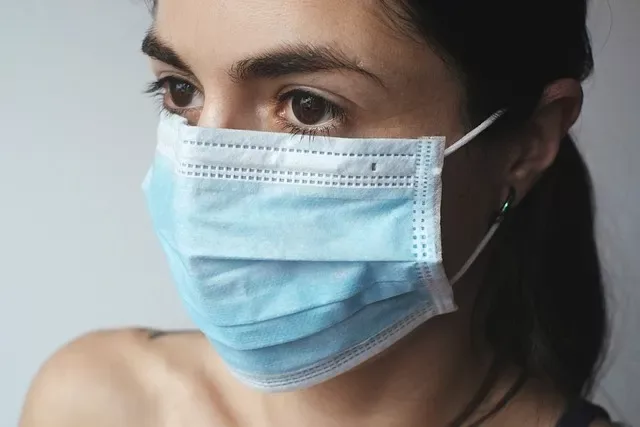
Ready to Dive Deeper? Download Our eBook
Interested in more detailed strategies and sector-specific guidance?
Our “Healthier Workplaces and Schools” eBook is packed with extensive insights and practical tips to transform your workplace.
Download the “Healthier Workplaces & Schools” eBook Now and start building a safer, healthier work environment today!