
AIHA University Live Online PDC: Lithium-Ion Batteries in the Workplace: A Review of Battery Types and Hazards, Fire Risk Mitigation, and Manufacturing Considerations Recording
Earn 3.5 Contact Hours
Standard Pricing: Member $295 | Nonmember $395 | Student $295

Lithium-ion rechargeable batteries are common in many electronic and electric devices from phones and computers to electric cars. Lithium-ion batteries have evolved and are varied in design and chemistry, depending on their intended uses.
Lithium-ion batteries contain toxic metal cathodes and flammable liquid electrolytes that can create occupational exposure hazards and environmental impacts. When they fail, lithium-ion batteries can cause difficult to control fires and
explosions. Fires can also cause potentially toxic human and environmental exposures.
This course will provide attendees with an awareness about different types of lithium-ion batteries, fire- and breakage-related safety and exposure hazards, fire risk mitigation, electric vehicle battery manufacturing industrial hygiene
exposure considerations, and post-fire impact assessment approaches.
Learning Objectives
After this online PDC, participants will be able to:
- Differentiate the different types of lithium-ion batteries and exposure hazards associated with different battery types and describe common triggers that could cause battery failure, leakage, and combustion, and summarize fire protection options.
- Understand the air contaminant and contact exposure risks as well as the associated industrial hygiene sampling methodologies involved in electric vehicle battery production.
- Navigate relevant regulatory compliance (EPA, OSHA, etc.) requirements involved in electric vehicle battery production.
- Develop an approach to evaluating the impacts of a lithium-ion battery fire in a built environment.
Schedule (Eastern Time)
- 12:00 PM – Course Starts
- TBD – 15-minute Break
- 3:45 PM – Course Concludes
Presenters
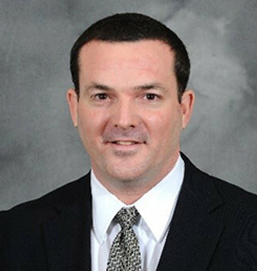 construction, food production, automotive, oil and gas, pulp and paper, power generation, aerospace, petroleum, mining and railroad. His primary practice areas include industrial hygiene quantitative and qualitative exposure assessments; process safety management, risk management program, and environmental, health and safety compliance audits; combustible dust assessments; leading process hazard analyses and LOPAs; ventilation assessments; authoring safety data sheets (SDSs); personal protective equipment selection; machine guarding and lockout tagout assessments; environmental, health and safety training development and delivery; and indoor environmental quality, legionella, and mold assessments. |
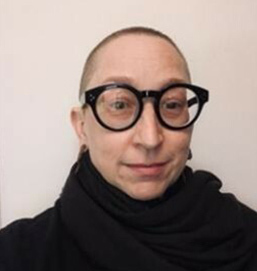 clientele including insurance companies, property managers, and educational, commercial, construction, and industrial clients. Her project experience ranges from identification of regulated environmental hazards (including, but not limited to, asbestos and lead) to identifying building materials affected by fire residues and mold growth and investigating potential sources of discomfort and health complaints in work environments. Ms. David also provides litigation support for insurance and other clients related to asbestos, mold, moisture, fire, and indoor air quality. |
 Justin Milne, MS, PE, PMP is an award-winning fire engineer with multidisciplinary consulting experience, encompassing electrical, mechanical, controls, and chemical applications relevant to fire. As a third-generation alumnus of Seattle University, he earned a Bachelor of Science in Environmental Engineering (ABET) and further advanced his expertise with a Master of Science in Fire Protection Engineering from Cal Poly San Luis Obispo. He is a professional fire protection engineer and a project management professional at Jensen Hughes, the global leader in fire protection engineering. |
 Lynda Winter, MPH is a WSP lead industrial hygienist with over 30 years of experience as an occupational health and safety professional. She specializes in industrial hygiene, chemical hazard analysis, public health, and OSHA compliance. Ms. Winter has assessed health hazards and conducted IH surveys for regulatory compliance in a variety of industries: automotive manufacturing, electric car battery manufacturing, laboratories, chrome plating, textiles, foundries, cabinet shops, hospitals, grain facilities, agriculture, and welding operations. |
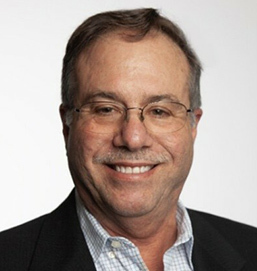 Mike Smith, CIH is a Seattle-based Vice President, Certified Industrial Hygienist with WSP, a global engineering and environmental consultancy. Mike and colleagues cover a broad spectrum of health, safety and environmental consulting services to all client sectors. Mike has over 35 years of Industrial Hygiene (IH) work experience including Boeing, OSHA compliance, worker's compensation, and over 25 years in consulting. Mike's focus areas are litigation support/expert witness, OSHA compliance, indoor air quality, mold/post-fire/water intrusion assessments and remediation projects. Mike is chair of WSP's Asbestos Safety Board which supports WSP's effort to minimize risk and maximize regulatory compliance associated with asbestos on our projects. Mike is WSP's US West Region IH Practice Lead, coordinating business development, opportunities and projects focused mainly in the west but also other US regions. Since 2004, Mike has been Seattle Chapter Director of the Indoor Air Quality Association (IAQA) and Past President of the Pacific Northwest Section, American Industrial Hygiene Association (PNS-AIHA). Mike is also an IEQ trainer for the National Energy Efficiency Council's Building Operator Certification (BOC) program. |